Tattoo Ideas: 340 Designs You Can Try On
Find your next tattoo by motif or by style. Every design here is original, and any of them can be placed on a photo of your own skin with the tattoo try on, so you see it on you before you book.
Browse 30 motifs and 10 styles below, then read how to choose a design and what to plan for before you book.
Tattoo ideas by motif
The motif is the subject of a tattoo: the animal, flower or symbol at its centre. Each motif below is drawn in up to ten styles, so you can compare how one idea looks as fine line, blackwork, Japanese or watercolor. Tap a design to try it on, or open the motif for every version along with its meaning and placement tips.
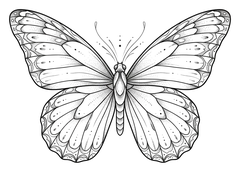
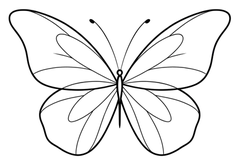
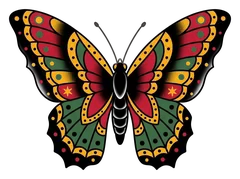
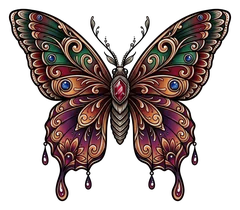
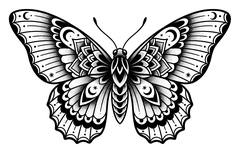
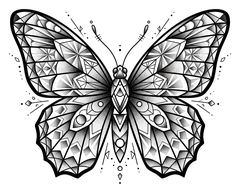
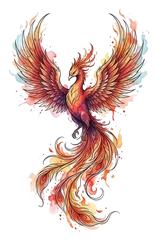
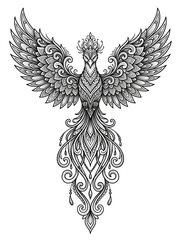
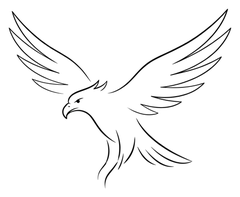
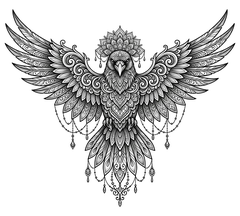
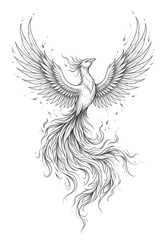
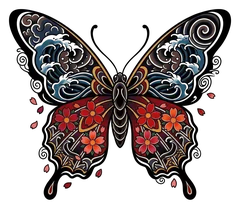
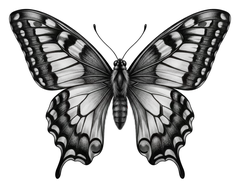
Pick the wing shape first: open wings read as a symmetrical badge, while folded wings seen from the side make a quieter, lighter piece.
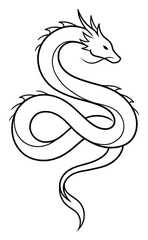
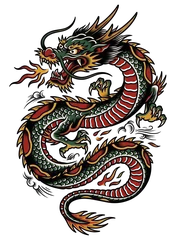
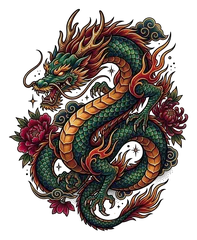
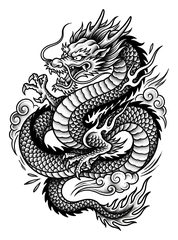
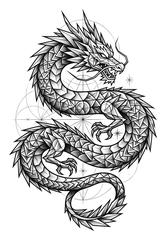
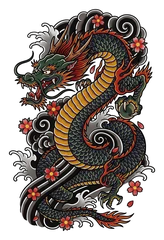
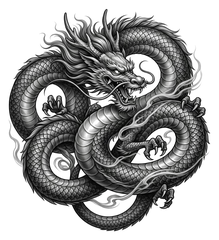
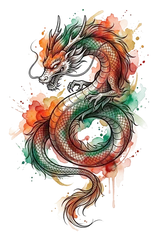
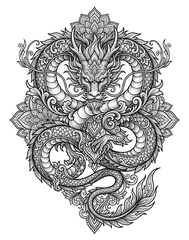
Decide early whether you want the whole body or just the head. A full dragon needs length to coil, and a head works as a compact piece on its own.
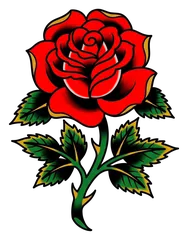
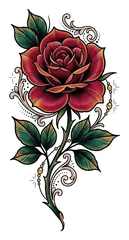
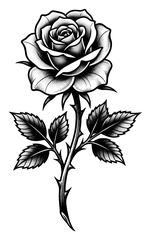
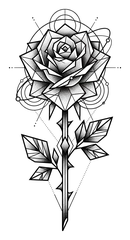
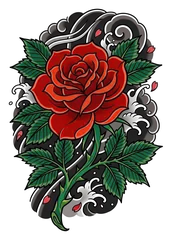
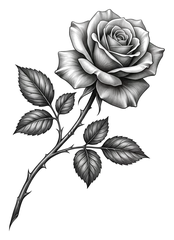
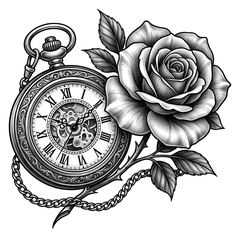
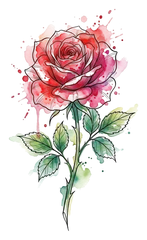
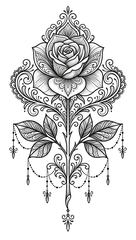
Roses pair with almost anything, which is why they are so often used to soften a dagger, a skull or a line of lettering.
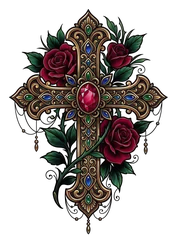
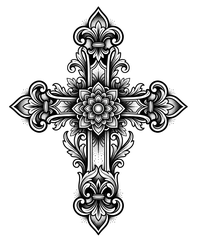
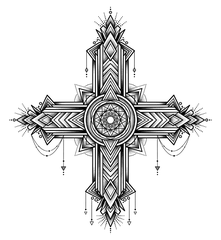
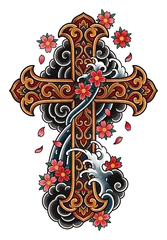
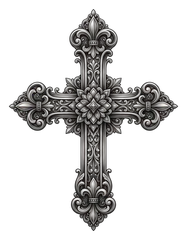
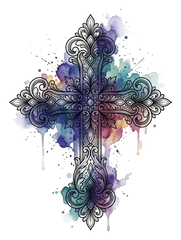
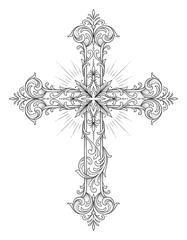
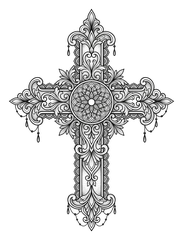
A simple outline keeps a cross small and personal, while filigree, beading or a Celtic knot turns it into a centrepiece.
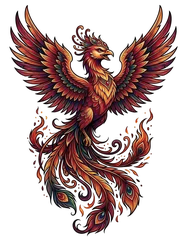
Look at how the tail feathers fall. That line decides whether the bird climbs a shoulder or sweeps across the ribs.
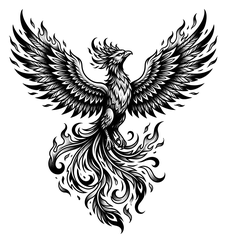
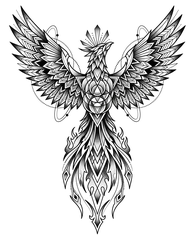
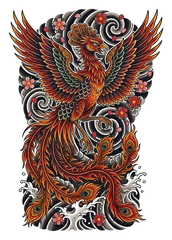
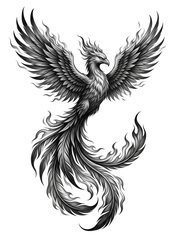
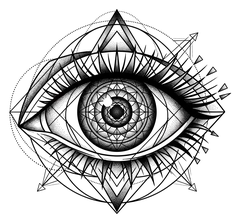
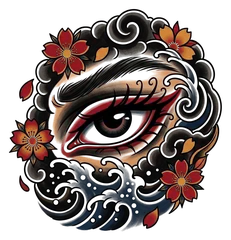
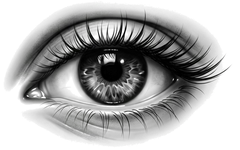
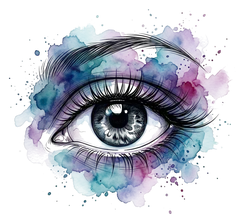
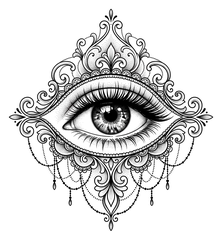
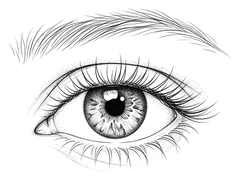
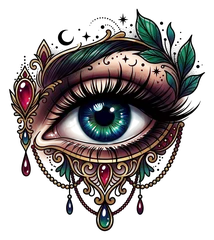
A single eye can look watchful, mystical or surreal depending on what surrounds it, from a plain triangle to rays and petals.
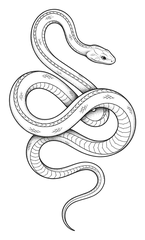
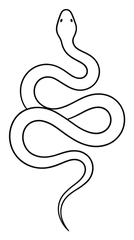
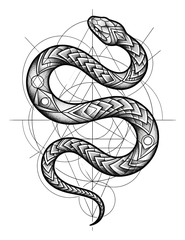
Snakes bend to fit any limb, so they are a favourite for wrapping a forearm, an ankle or the back of the calf.
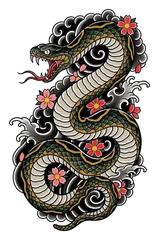
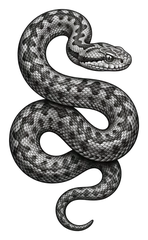
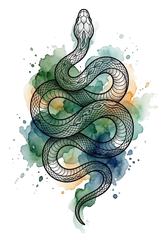
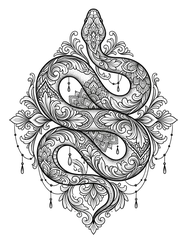
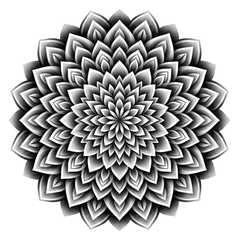
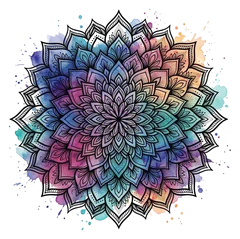
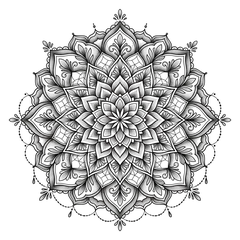
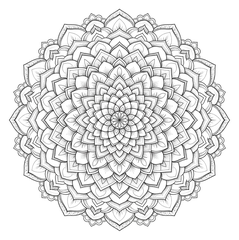
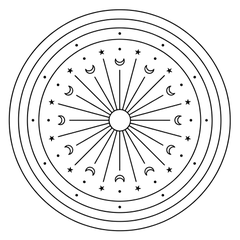
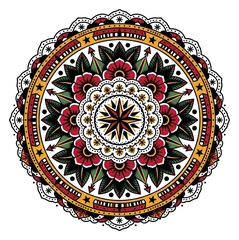
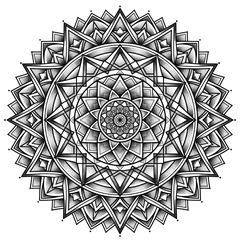
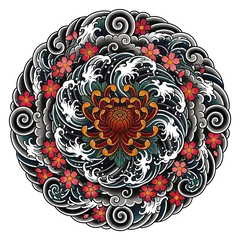
Mandalas depend on symmetry, so they suit flat or evenly curved spots where the circle will not stretch out of shape.
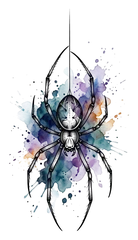
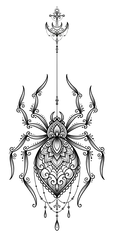
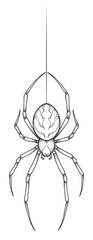
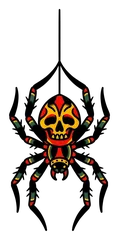
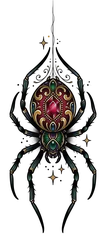
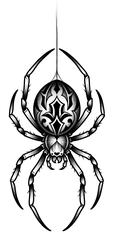
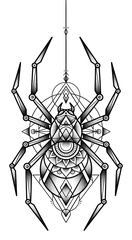
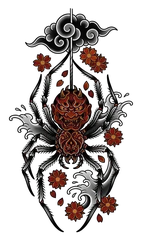
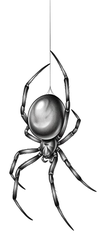
Spiders range from tiny fine line charms to bold traditional pieces with a web behind them, and both read well at a small size.
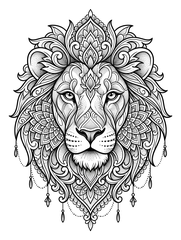
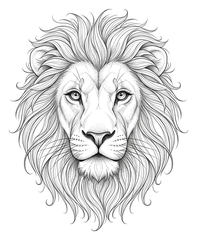
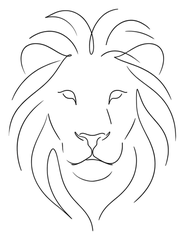
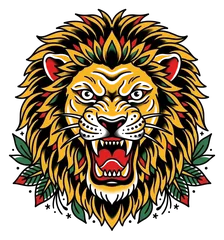
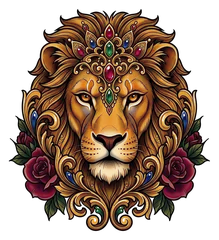
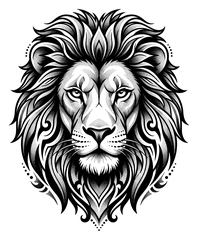
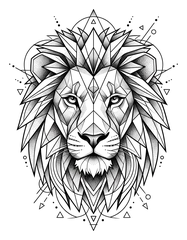
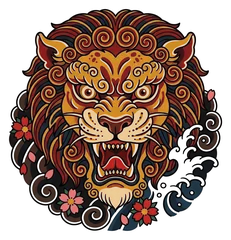
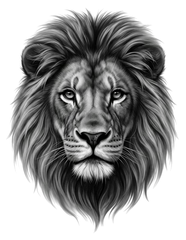
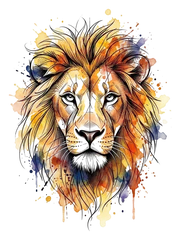
A lion's face carries the whole design, so the expression in the eyes deserves more attention than the mane.
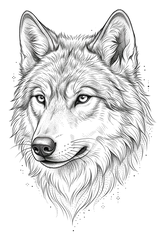
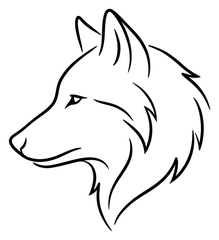
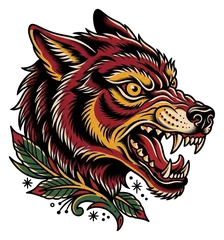
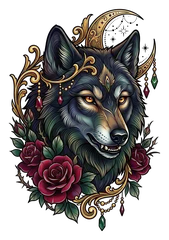
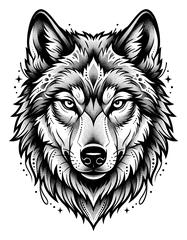
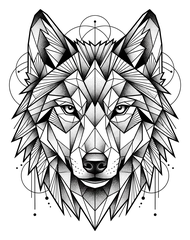
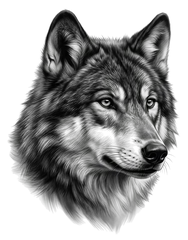
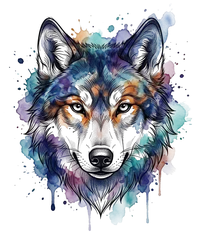
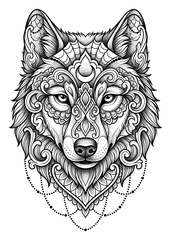
Wolves work as a calm portrait, a howling silhouette or a head cut into geometric facets.
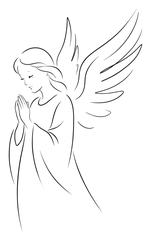
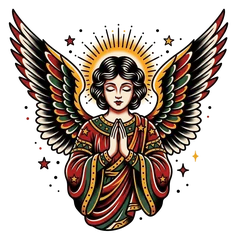
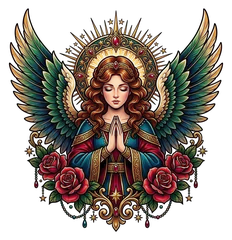
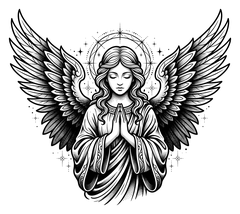
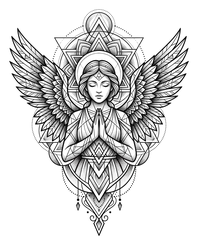
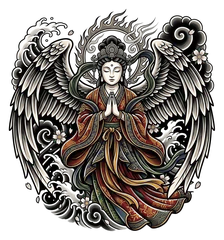
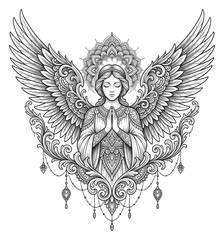
Angel tattoos cover cherubs, praying figures and lone wings. A pair of wings across the shoulders is the most familiar layout.
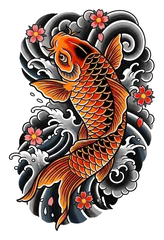
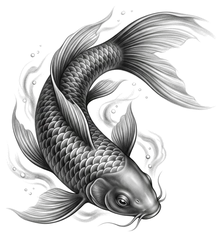
Koi are usually drawn turning in water with waves or blossom around them, and they look best when the body follows a curve.
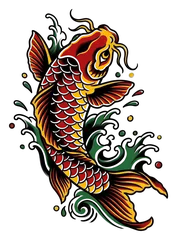
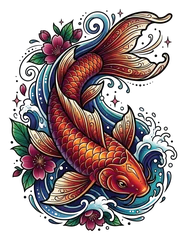
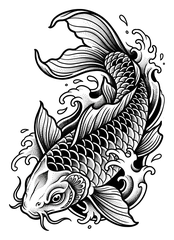
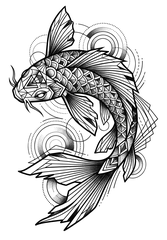
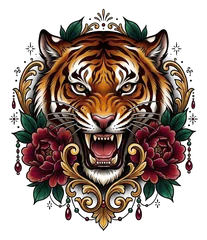
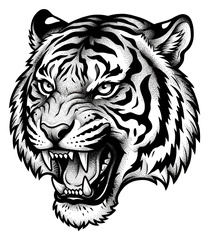
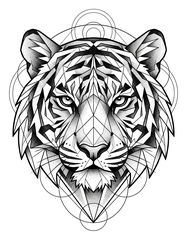
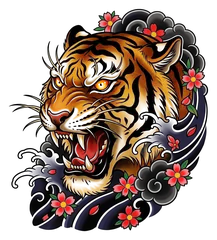
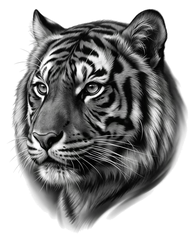
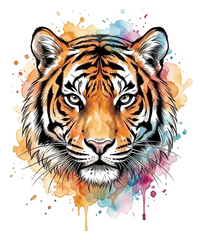
Tigers look strongest mid-movement, and their stripes help the design wrap around an arm or a thigh.
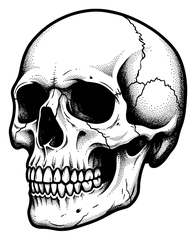
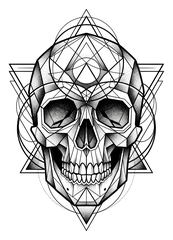
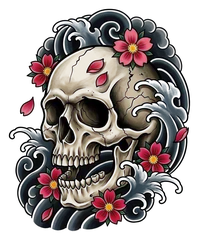
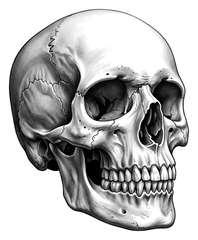
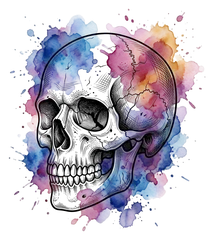
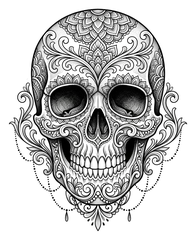
Skulls can be grim, playful or ornamental. Flowers, candles and crowns change the mood more than the skull itself does.
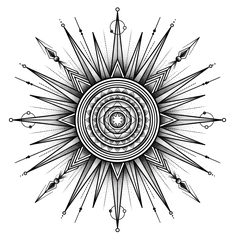
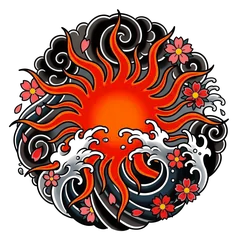
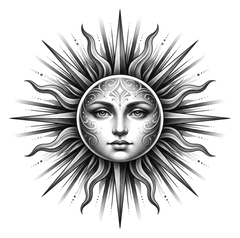
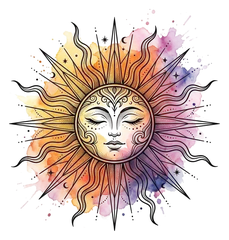
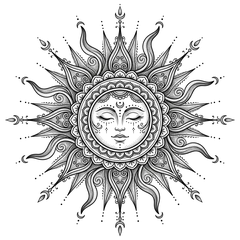
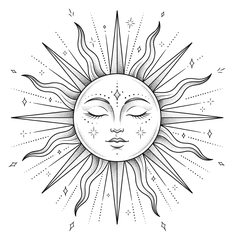
A sun can be a plain circle of rays or a detailed face, and it pairs naturally with a moon for matching or split designs.
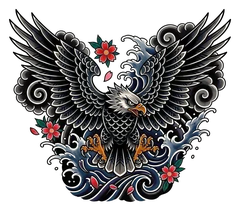
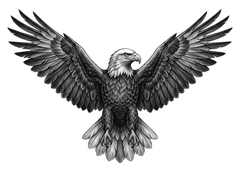
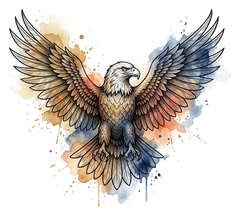
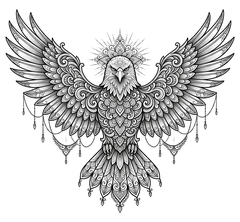
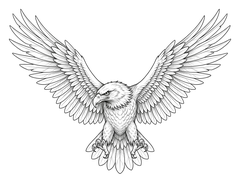
Eagles are drawn with their wings spread, so the width suits the chest, the upper back or the space across both shoulders.
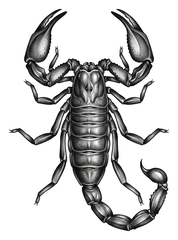
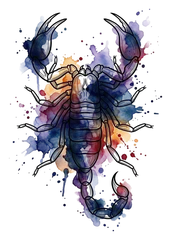
Scorpions have a clean, symmetrical outline that stays clear at small sizes on the hand, the neck or behind the ear.
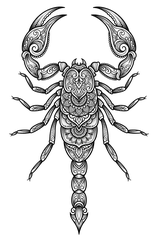
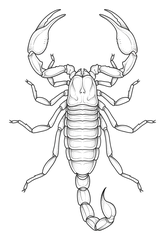
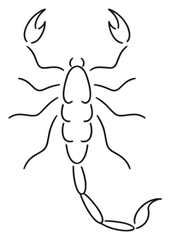
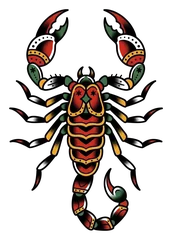
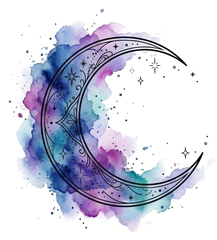
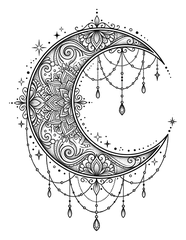
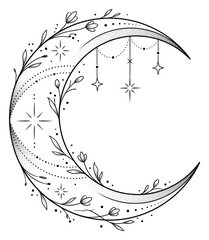
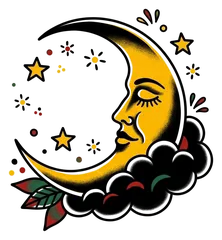
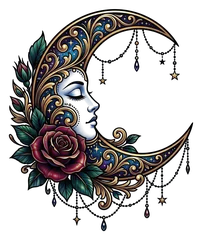
A crescent is one of the simplest designs here, and one of the easiest to add to later with stars or phases.
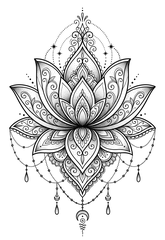
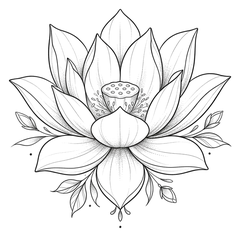
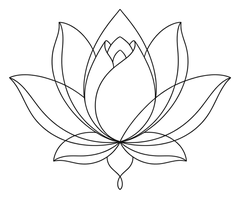
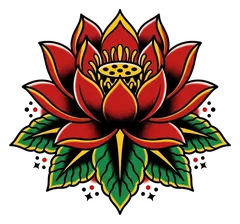
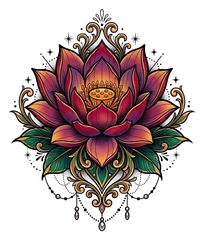
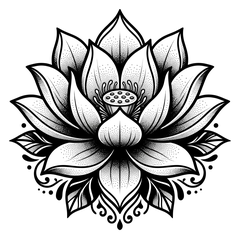
A lotus is usually drawn front-on and symmetrical, which makes it a natural centre for the spine or the sternum.
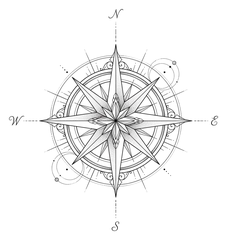
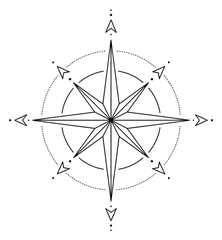
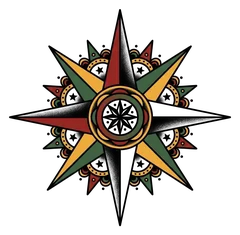
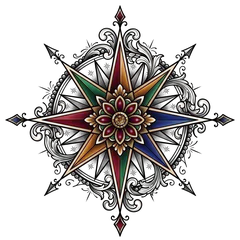
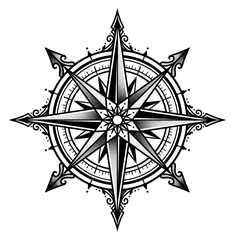
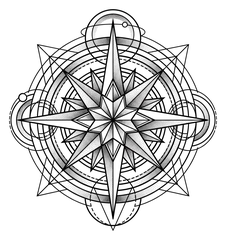
Compasses run from a bare dial to detailed nautical pieces with a map or a rose behind them.
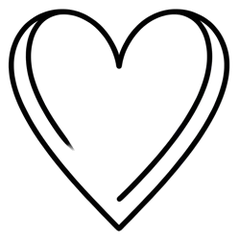
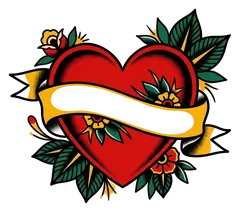
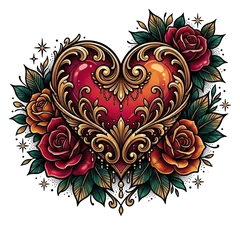
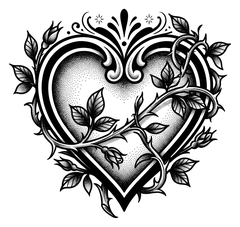
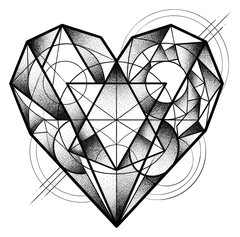
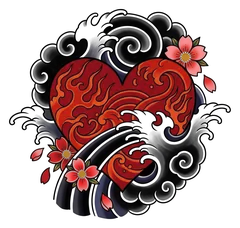
Hearts go from a single-line outline to a flaming traditional sacred heart, and they often carry a name or a date.
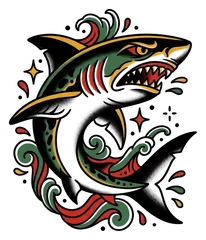
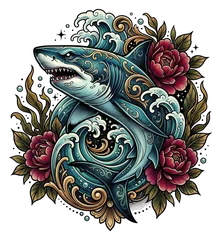
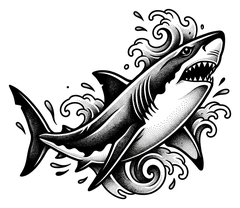
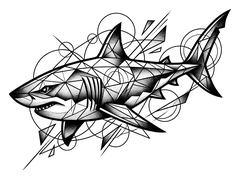
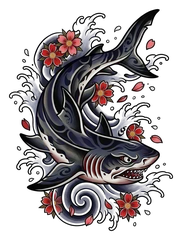
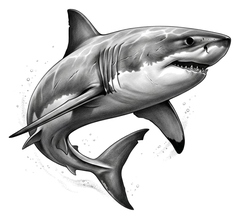
Sharks suit bold styles with strong outlines, and a side-on body fits neatly along the forearm or the shin.
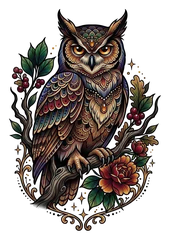
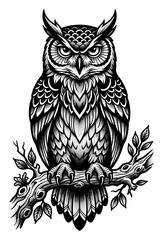
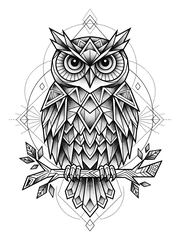
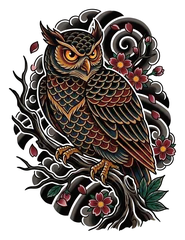
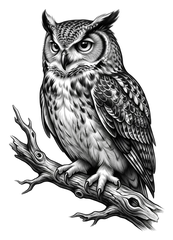
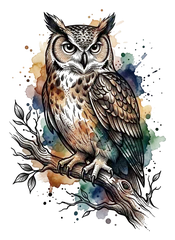
An owl is mostly its eyes and its feather pattern, so pick a size where both stay sharp.
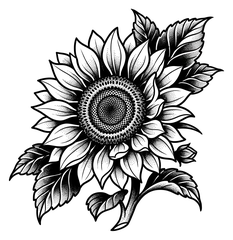
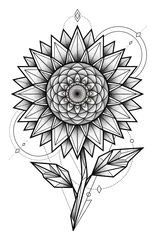
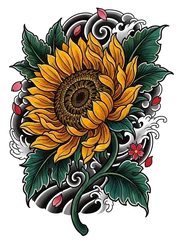
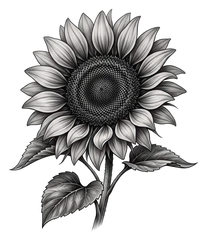
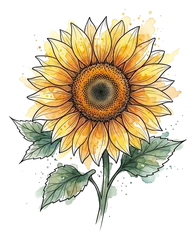
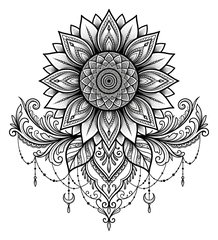
Sunflowers give a bright, open face that works as a single bloom, a long stem down the arm or a small line drawing.
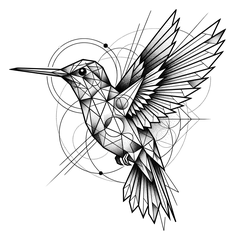
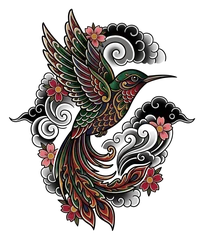
Hummingbirds are small and quick by nature, which suits light fine line and watercolor work near the shoulder or the wrist.
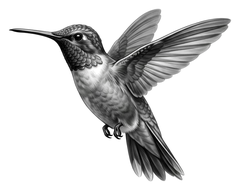
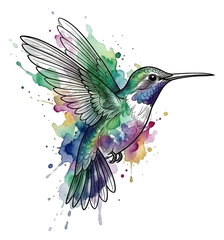
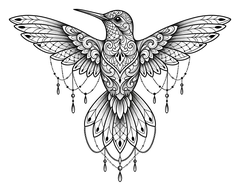
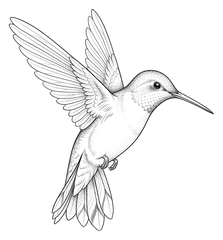
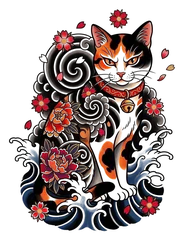
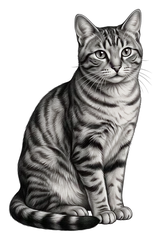
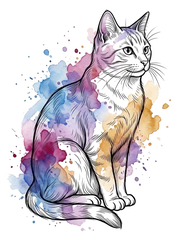
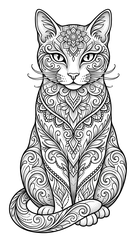
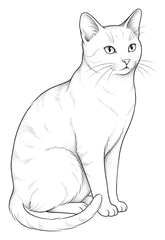
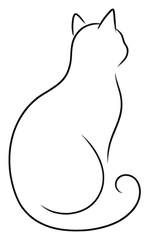
Cat tattoos run from tiny outlines to stylised black cats, and many people base one on a photo of their own pet.
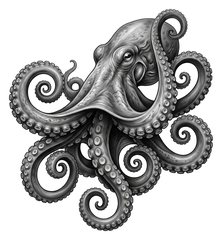
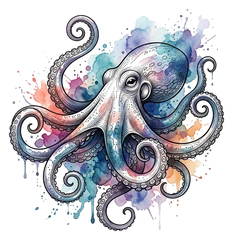
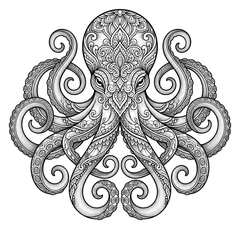
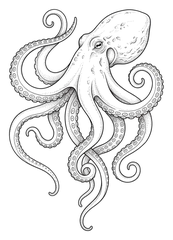
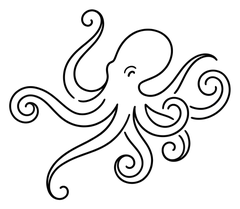
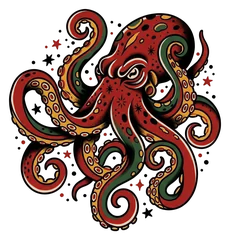
Eight arms give an octopus plenty of reach, so it can spread over a shoulder or curl into a compact round design.
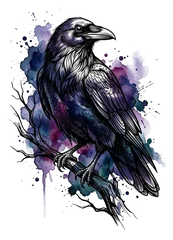
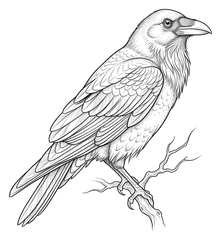
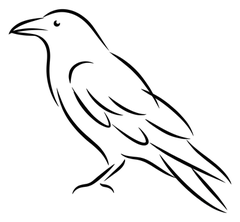
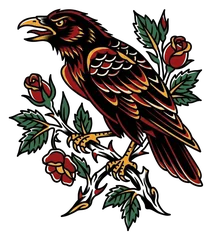
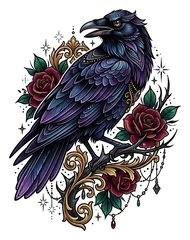
Ravens are almost always inked in black, which makes them a natural fit for blackwork and for darker, moodier pieces.
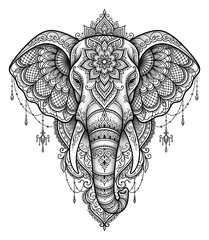
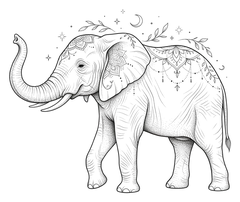
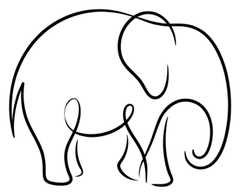
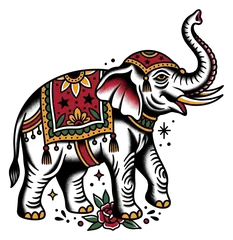
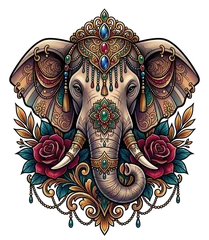
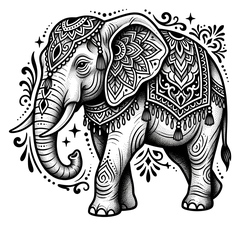
Elephants are often drawn with a raised trunk or as a mother and calf, and they suit gentle, rounded compositions.
Tattoo ideas by style
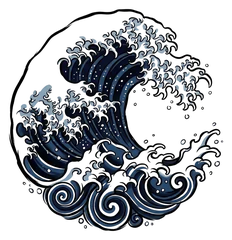
Style is how a design is drawn: the line weight, the shading, the colour and the tradition it comes from. Two people can pick the same motif and end up with tattoos that look nothing alike. These rows include a few classics that belong to no single motif, like the swallow, the anchor and the great wave.
Thin needles and light shading give fine line its sketch-like feel. It is the softest style here, which is why so many first tattoos start with it.
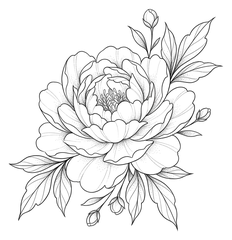
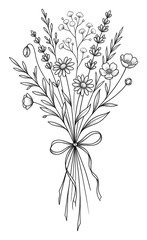
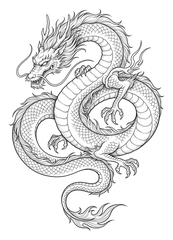
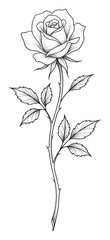
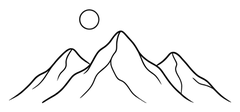
Minimalist designs strip a motif down to its outline or a single symbol. They suit anyone who wants a tattoo that is easy to live with and easy to cover.

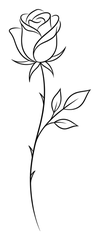
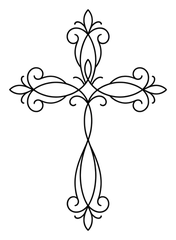
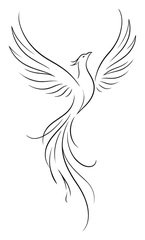
Bold black outlines, a small set of solid colours and classic flash motifs. Swallows, anchors, panthers and ships all come from this style, and it reads clearly from across a room.
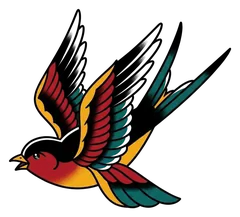
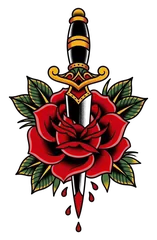
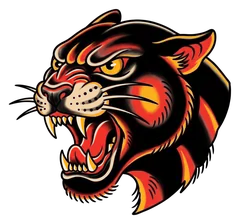
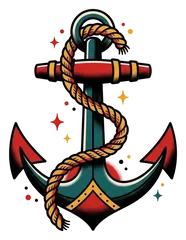
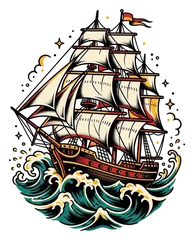
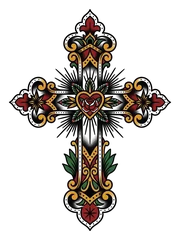
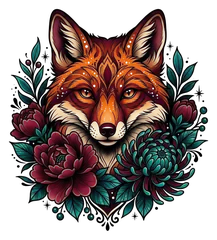
Neo-traditional keeps the strong outlines of old school work and adds more colour, depth and decorative detail. Animal portraits framed with flowers are typical.
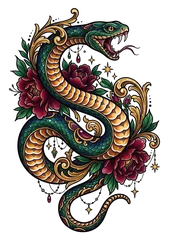
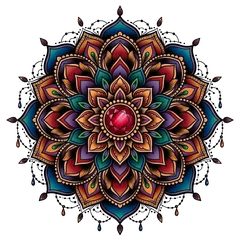
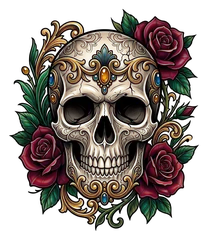
Blackwork uses large areas of solid black ink and strong contrast. It covers everything from patterns and bands to dark animals and moths.
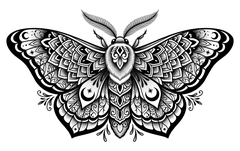
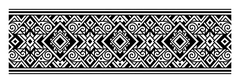
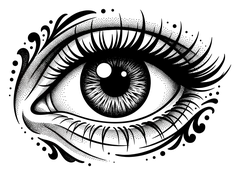
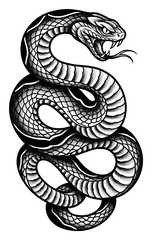
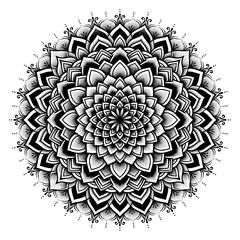
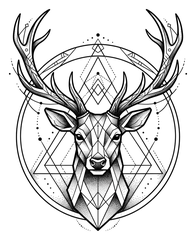
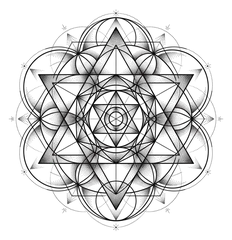
Geometric tattoos build a design from lines, dots and shapes, often cutting an animal into facets. Precision matters, so this is a style to book with a specialist.
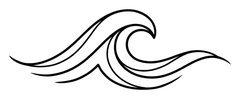
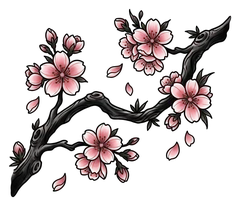
Japanese tattooing has its own set of subjects, among them koi, dragons, tigers, waves and cherry blossom, drawn with heavy outlines and flowing backgrounds that are planned around the body.
Black and grey uses diluted black ink for smooth shading and realistic depth. It is the usual choice for portraits, clocks and other detailed pieces.
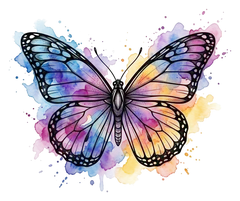
Watercolor tattoos borrow the soft washes and splashes of paint, often with little or no outline. Ask your artist how they handle the edges, as that shapes how the design holds up over time.
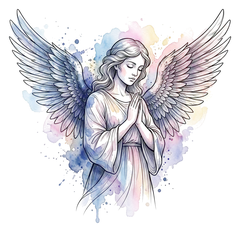
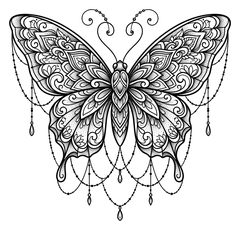
Ornamental work draws on jewellery, lace and filigree, with fine repeated detail around a central shape. It flatters spots that already have a natural frame, like the sternum or the lower back.
How to Choose a Tattoo Design
Start with what it should say
Most tattoos people stay happy with start from a reason rather than a picture. Write down what you want the tattoo to mark: a person, a change, a place, a private joke. Then look for motifs that carry that idea. A phoenix and a lotus can both be about starting again, yet they feel very different on skin, so browse a few motifs before you settle on one.
Choose the motif, then the style
The same subject changes character completely between styles. A rose in fine line is quiet and delicate, and the same rose in American traditional is loud and graphic. That is why every motif above is drawn in several styles. Open a motif page, compare the versions side by side and notice which one you keep coming back to.
Think about how it will age
Ink settles and spreads a little over the years. Bold outlines and open space hold their shape longest, while very small, tightly packed detail tends to soften. If you love a delicate design, give it extra size rather than shrinking it to fit a small spot.
Leave room for what comes next
If you might add more tattoos later, think about where this one sits in that plan. A design placed in the middle of the forearm decides how a future sleeve gets laid out. Artists can build around an existing piece, but it helps to leave them some space.
Live with it for a while
Save the designs you like and come back to them after a week or two. The one you still want is usually the right one. Seeing it on your own body helps more than anything, which is what the tattoo try on is for.
Placement, Size, Pain and Aftercare
A design that looks right on screen still has to suit the spot you put it on. These are the basics to think through before your consultation.
Placement
Match the shape of the design to the shape of the body. Long, narrow designs such as snakes, dragons and flower stems follow the forearm, the spine, the shin or the ribs. Round and symmetrical designs such as mandalas, suns and open-winged butterflies sit best where the skin is fairly flat: the upper back, the chest, the thigh or the outer shoulder. Think about who will see it and when, too. The upper arm hides under a T-shirt sleeve; the hands and neck almost never do.
Size
Detail needs space. As a rough guide, a design with a lot of linework or shading should be big enough that its smallest gaps are still easy to see at arm's length. Artists often suggest going larger than you planned, and it is worth hearing them out. The size slider in the try-on lets you compare a few sizes on the same photo before you commit.
Pain
Everyone feels it differently, but most people find spots with thin skin over bone, like the ribs, feet, ankles and spine, more uncomfortable than fleshier areas such as the outer arm, the thigh or the calf. Bigger and more heavily shaded pieces take longer, so a large design may be split across several sessions. For a first tattoo, a smaller piece on a fleshier spot is an easy way to find out how you get on.
Aftercare
A new tattoo takes a few weeks to settle. Follow the aftercare instructions your artist gives you, since they know their own process best. The usual common sense applies: keep it clean, do not pick at it, and keep it out of strong sun, pools and baths until the skin has closed over. If you are unsure about anything, ask your artist.
See Any of These Designs on Your Own Skin
Every design on this page opens in the tattoo try on with one tap. It takes three steps.
1. Pick a design
Tap any design on this page, or open a motif or style page and choose from the full set. It opens in the try-on, ready to place.
2. Place it on a photo of the spot
Use a clear, well lit photo of the area you have in mind, then drag, scale and rotate the design until it sits where you want it. This step is free and runs in your browser.
3. Render it as a real tattoo
When the placement looks right, the AI turns the flat drawing into ink in your skin that follows the curve of your body. Save the result and bring it to your consultation.
Have something else in mind? Describe it to the AI tattoo generator for original designs of your own, or type a name, date or quote into the tattoo font generator to preview it in dozens of lettering styles. Both can send their result straight to the try-on.